Project Narrative
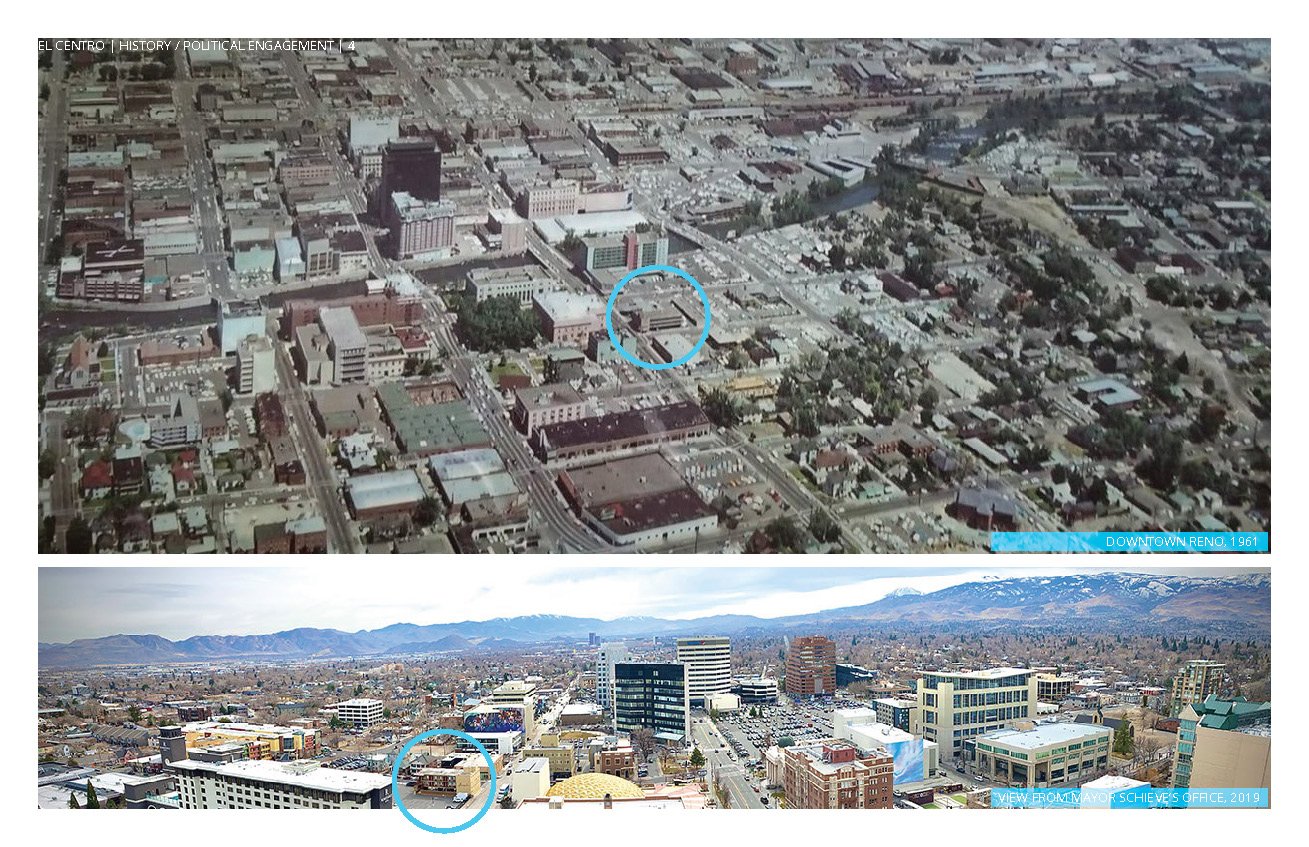
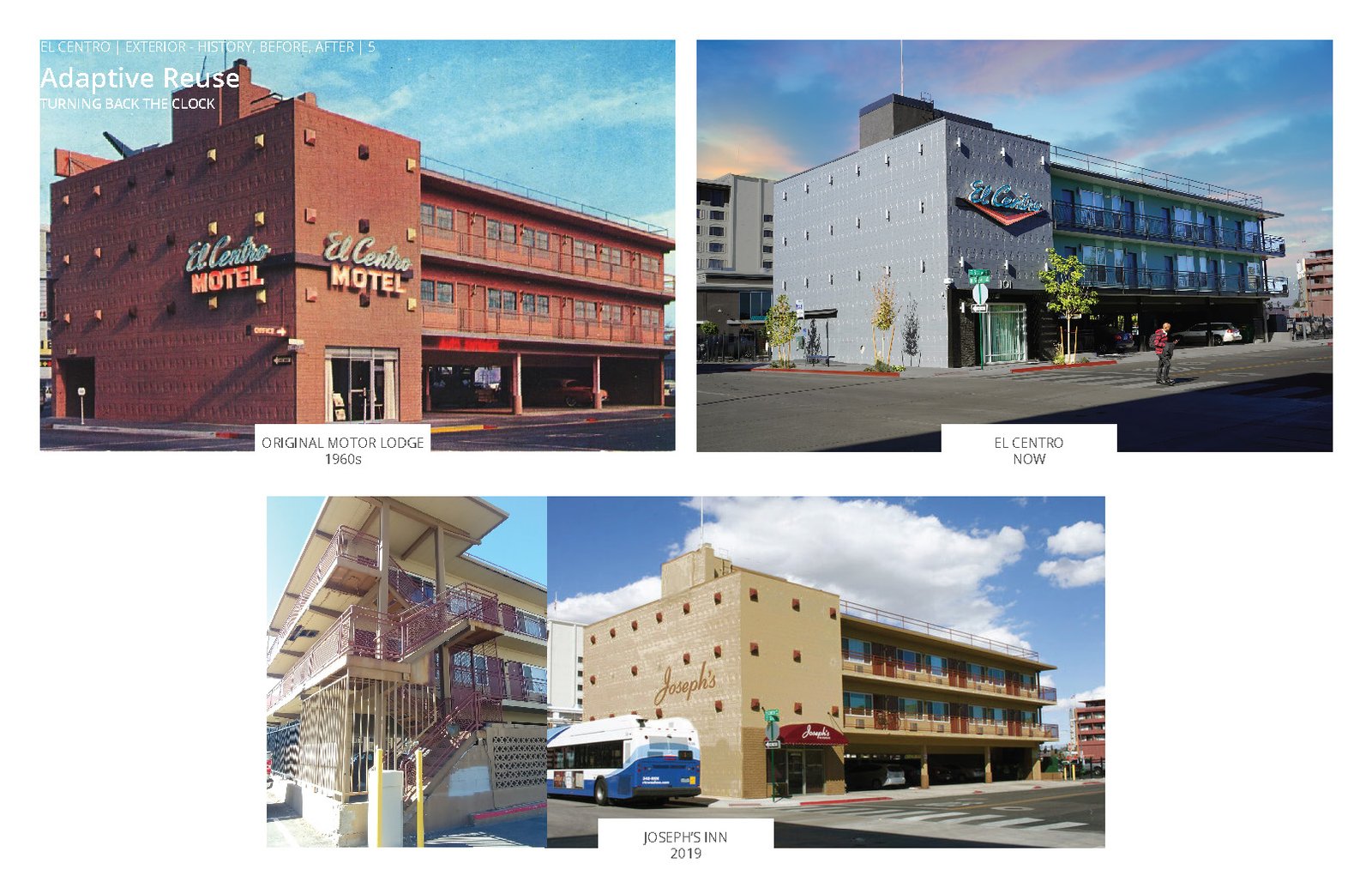
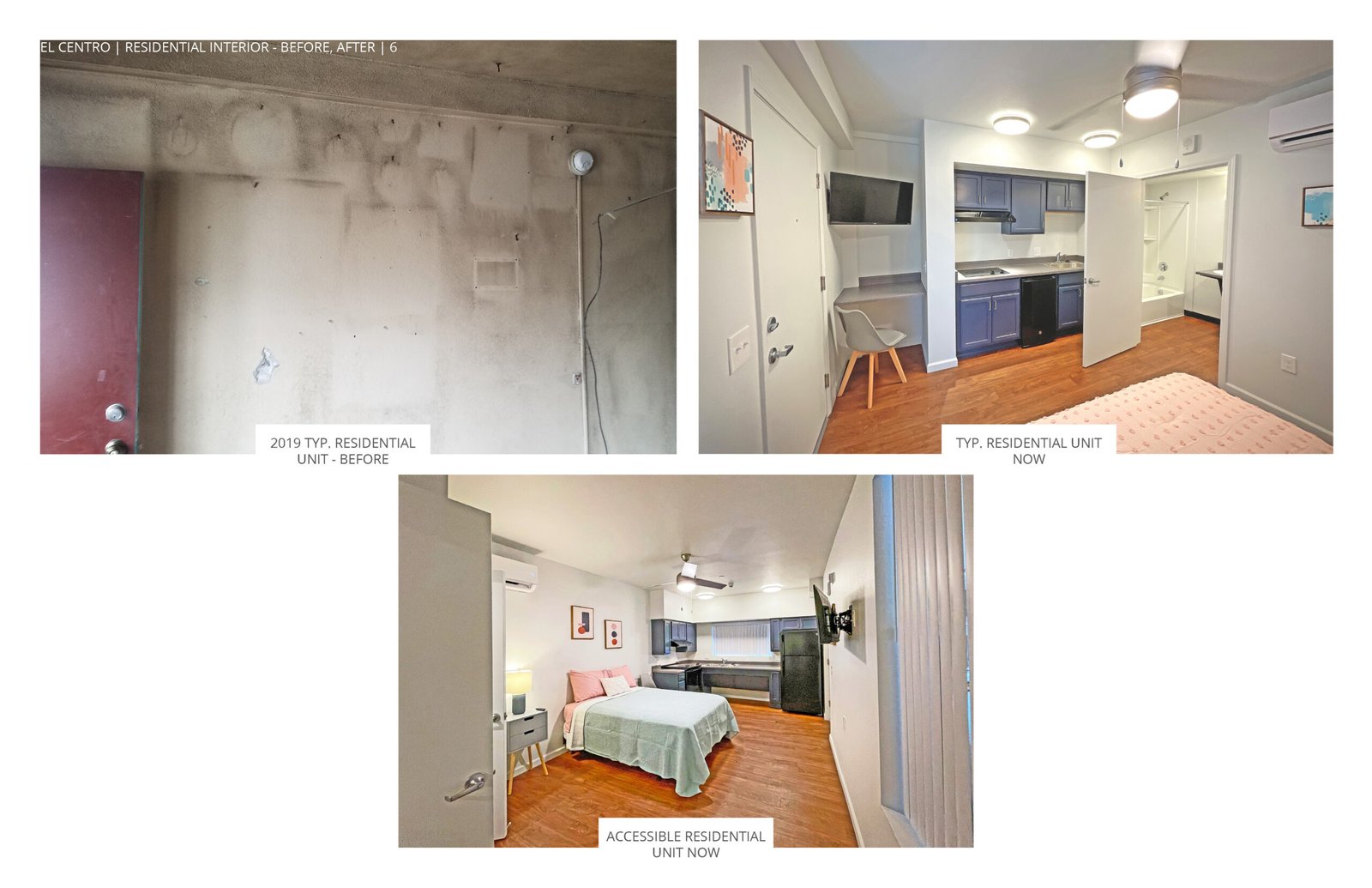
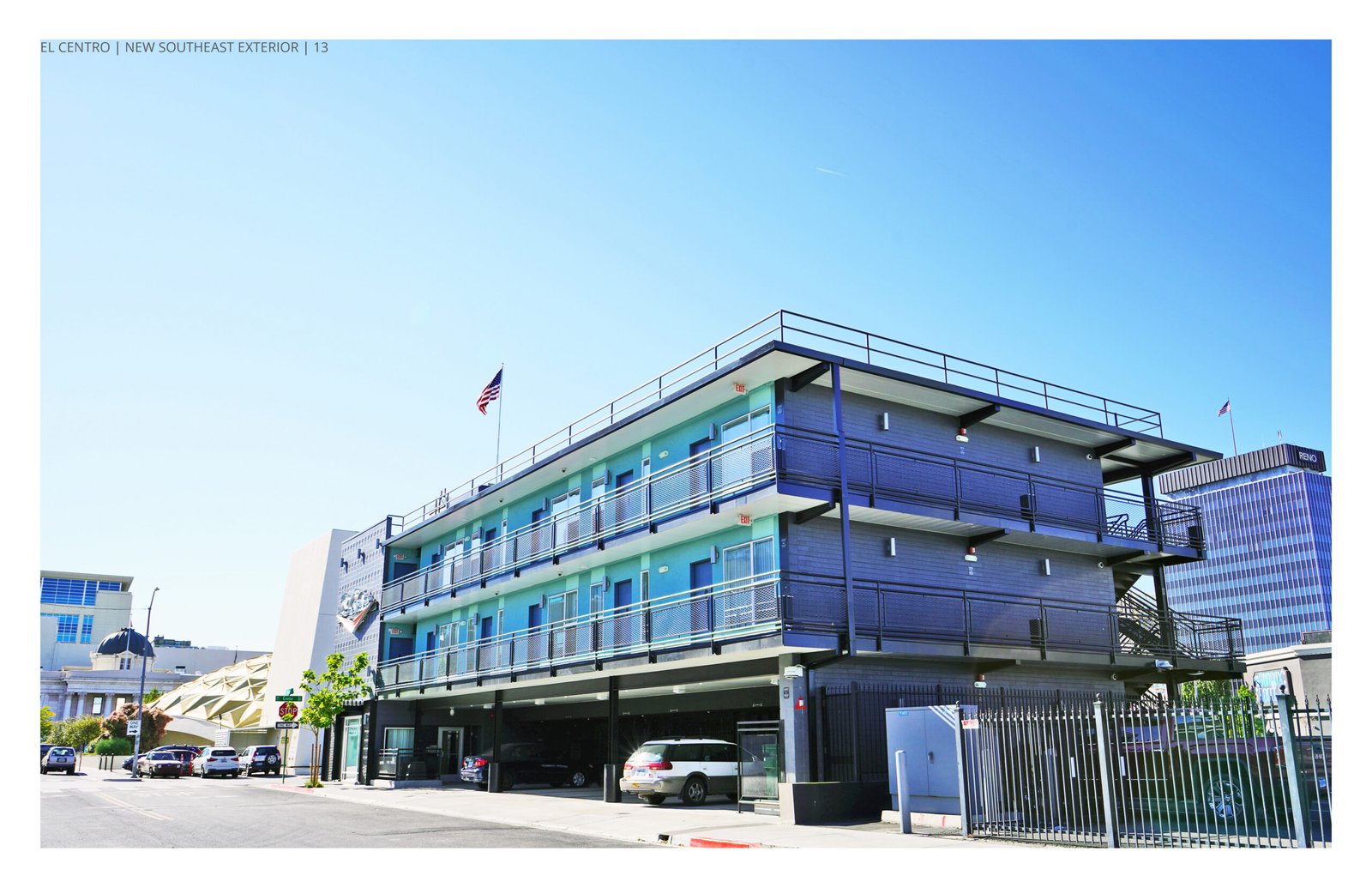
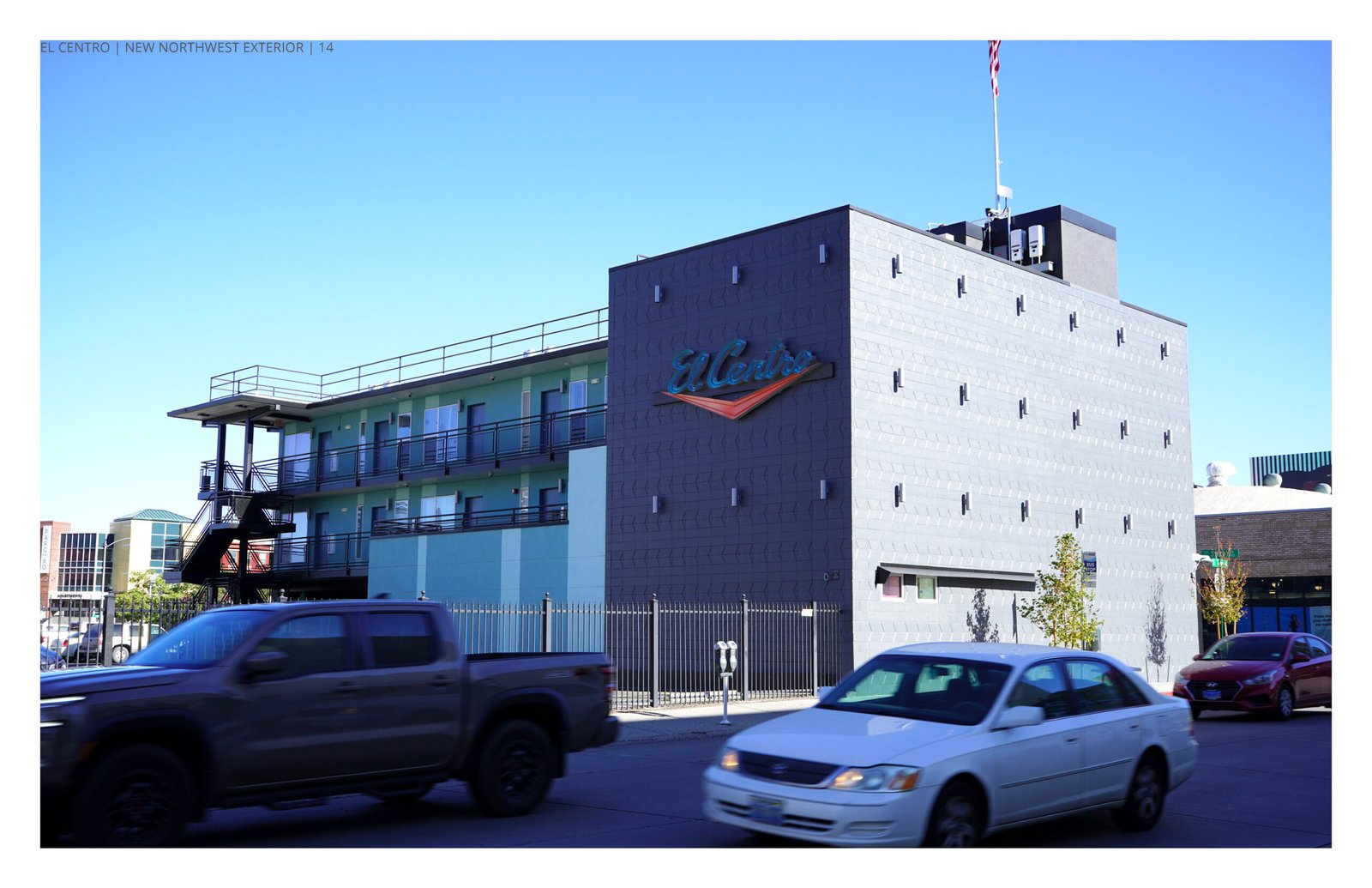
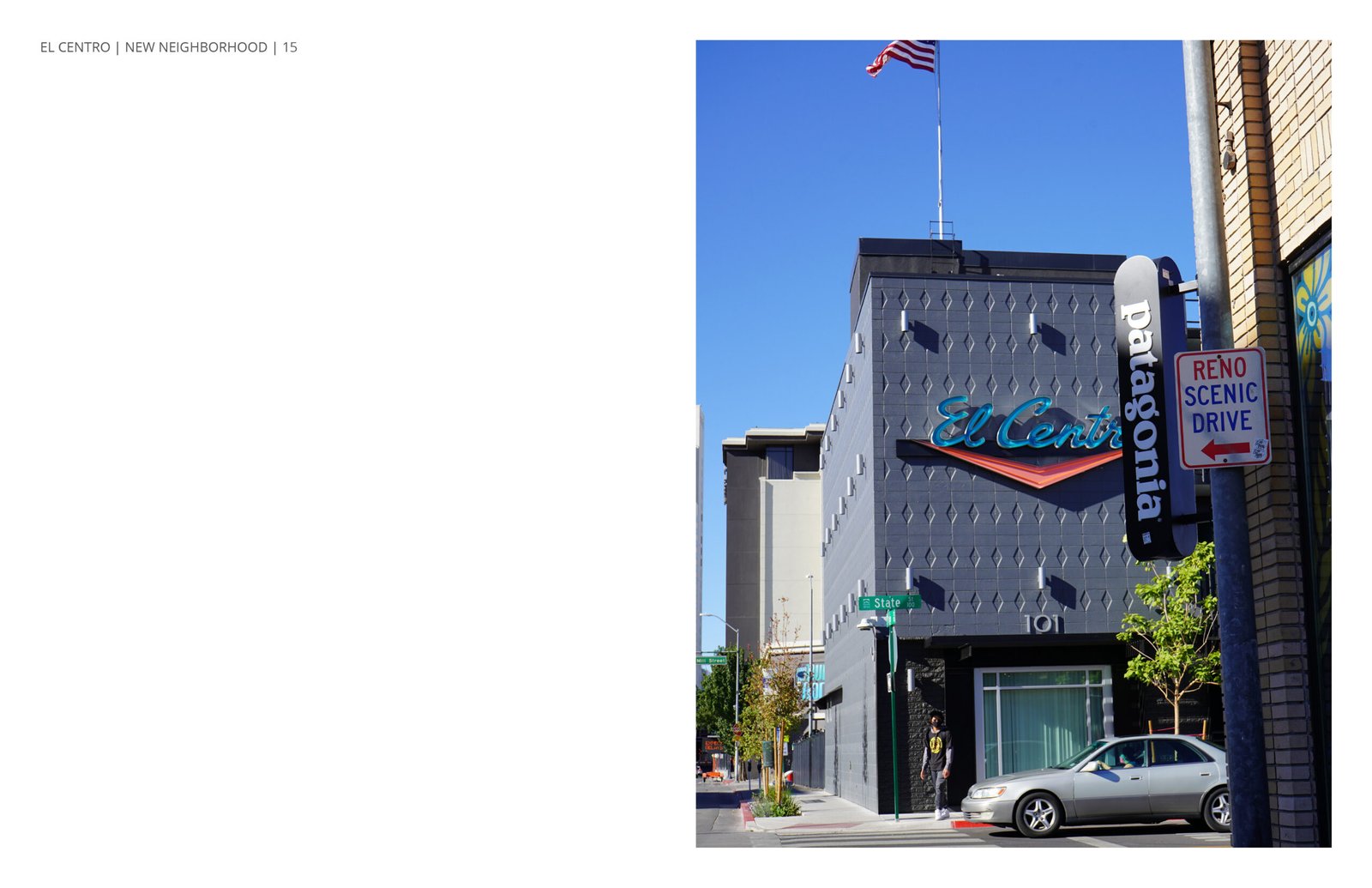
Adaptive Reuse and turning back the clock - As society changes, buildings are inevitably adapted or destroyed. El Centro began as a motel in the 1950s and later transitioned to short-term housing known as Joseph’s Inn, which unfortunately fell into disrepair as the effects of the recession rippled through our community. While Reno has attracted and fostered new economic opportunities in recent years, the incoming wealth has seemingly worsened the economic conditions due to rapidly increasing housing costs. It became critical to identify and utilize affordable housing options. While this building seemed to be an ideal opportunity, the project’s viability was threatened by an immense list of code deficiencies. The design was able to rectify all items related to the building’s safety, accessibility, and energy performance, but the team was unable to meet standards for EDU sizing, parking, and landscaping standards. Given the necessity of this project and because these items did not threaten the safety of the building’s occupants, the architect advocated for an exception of these items with City of Reno senior staff and the Office of the Mayor.
Equity - When thinking about Reno’s housing crisis, it’s more accurately a housing AFFORDABILITY crisis. El Centro is one of the few properties in the State of Nevada which accepts HUD Section 8 vouchers, and the waiting list for a unit within these properties is extensive. Without the vision of the architecture team and the cooperation of the client and city to address its code deficiencies, this affordable housing asset would not have been possible.
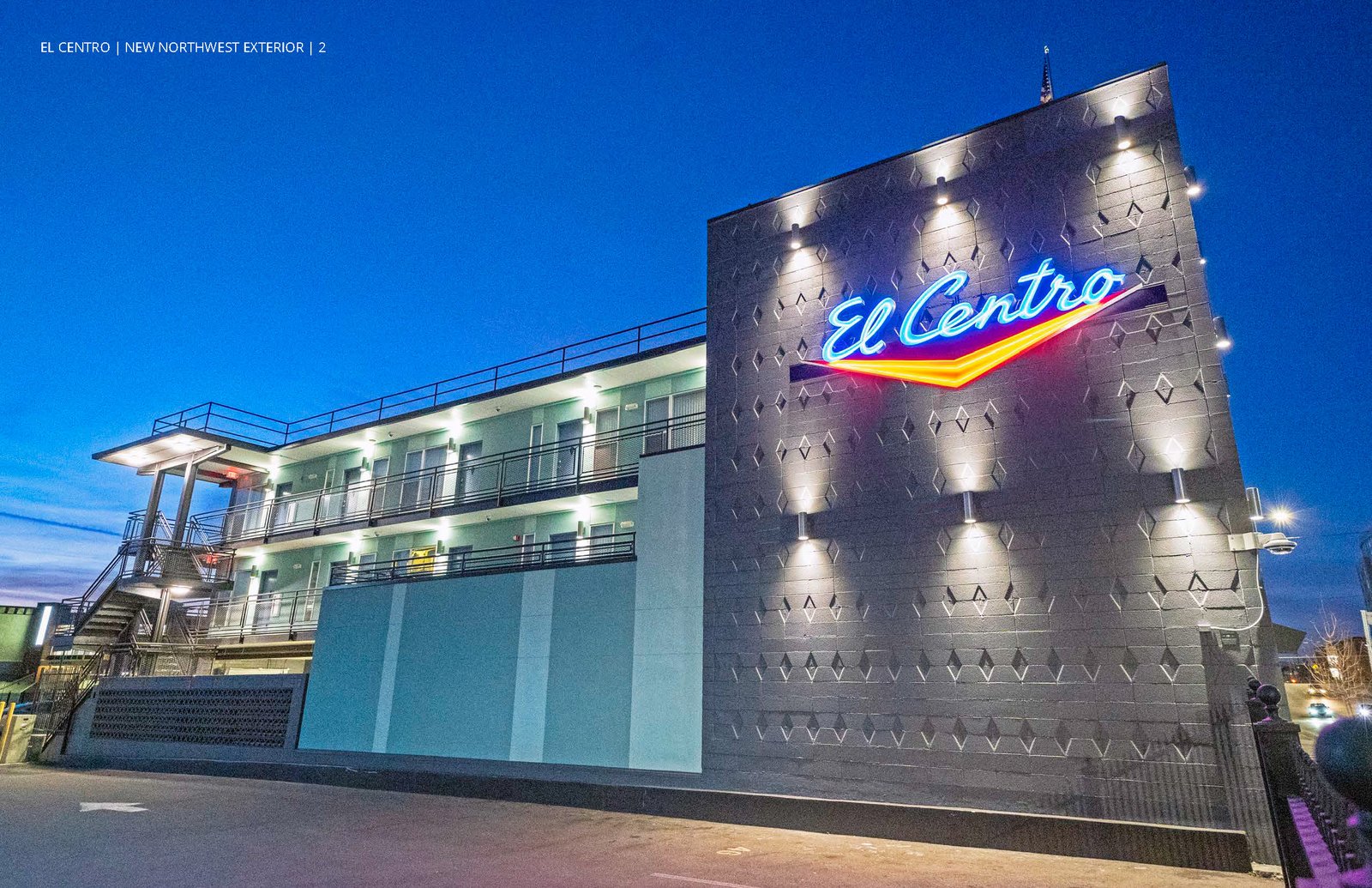
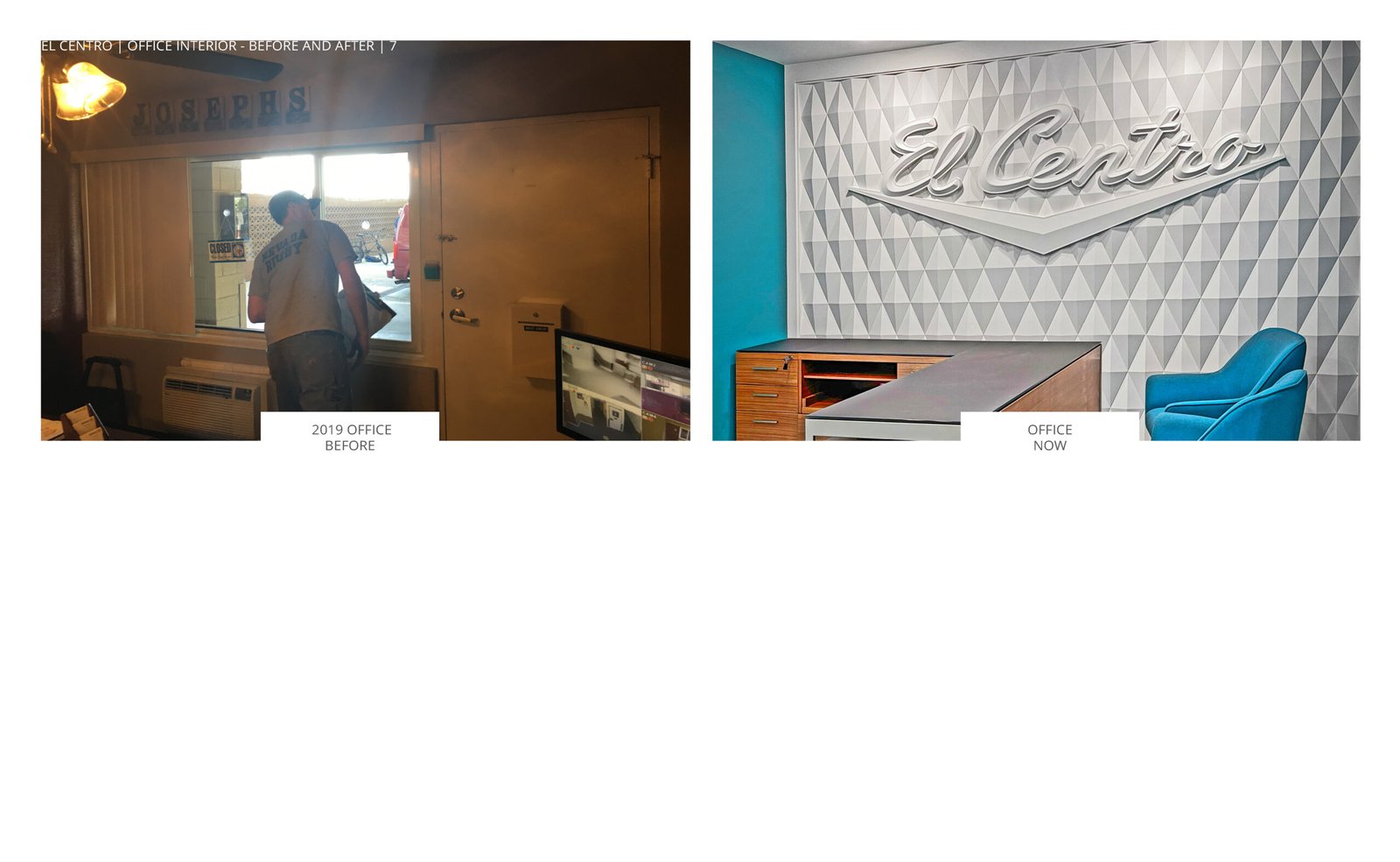
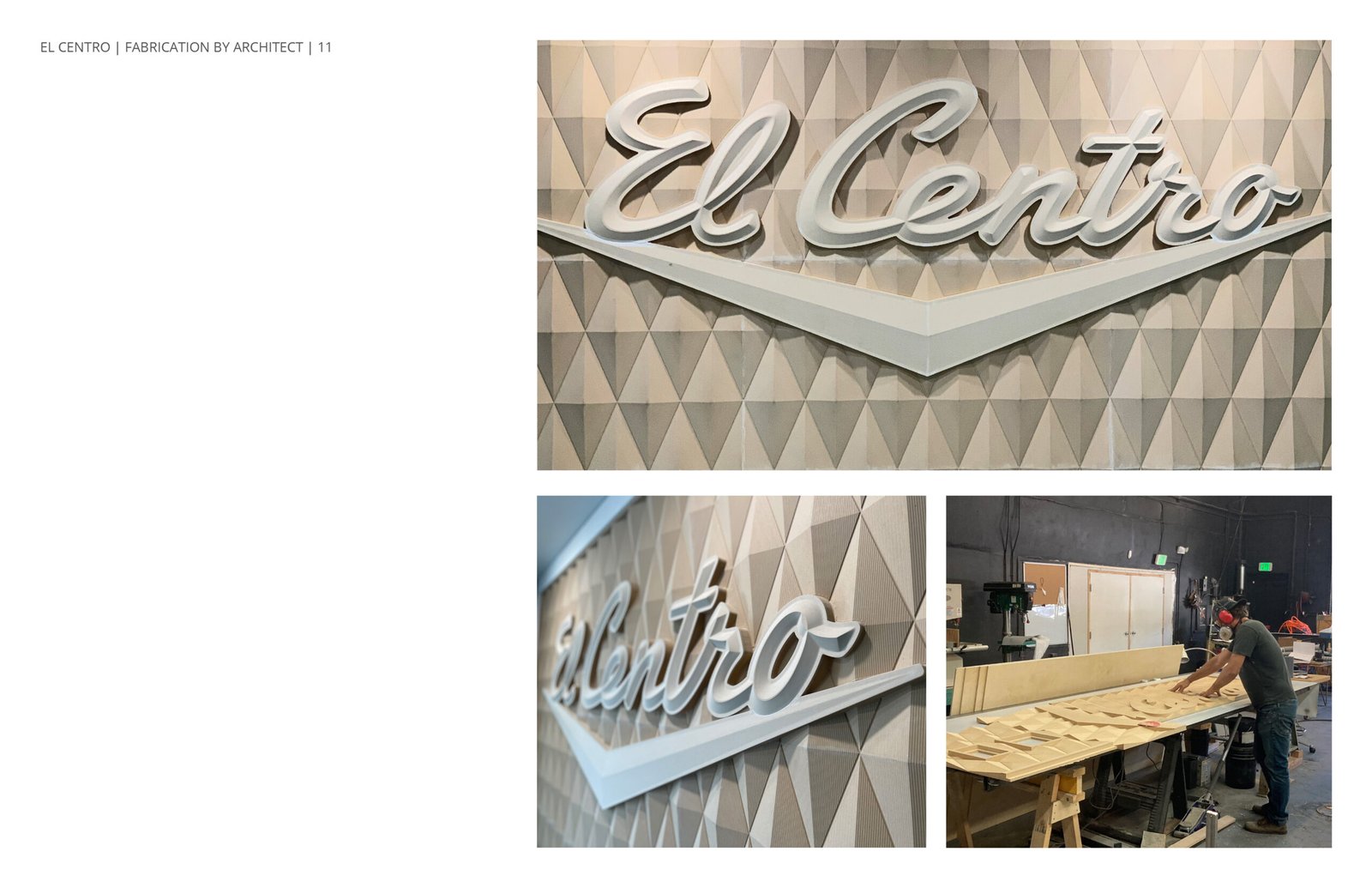
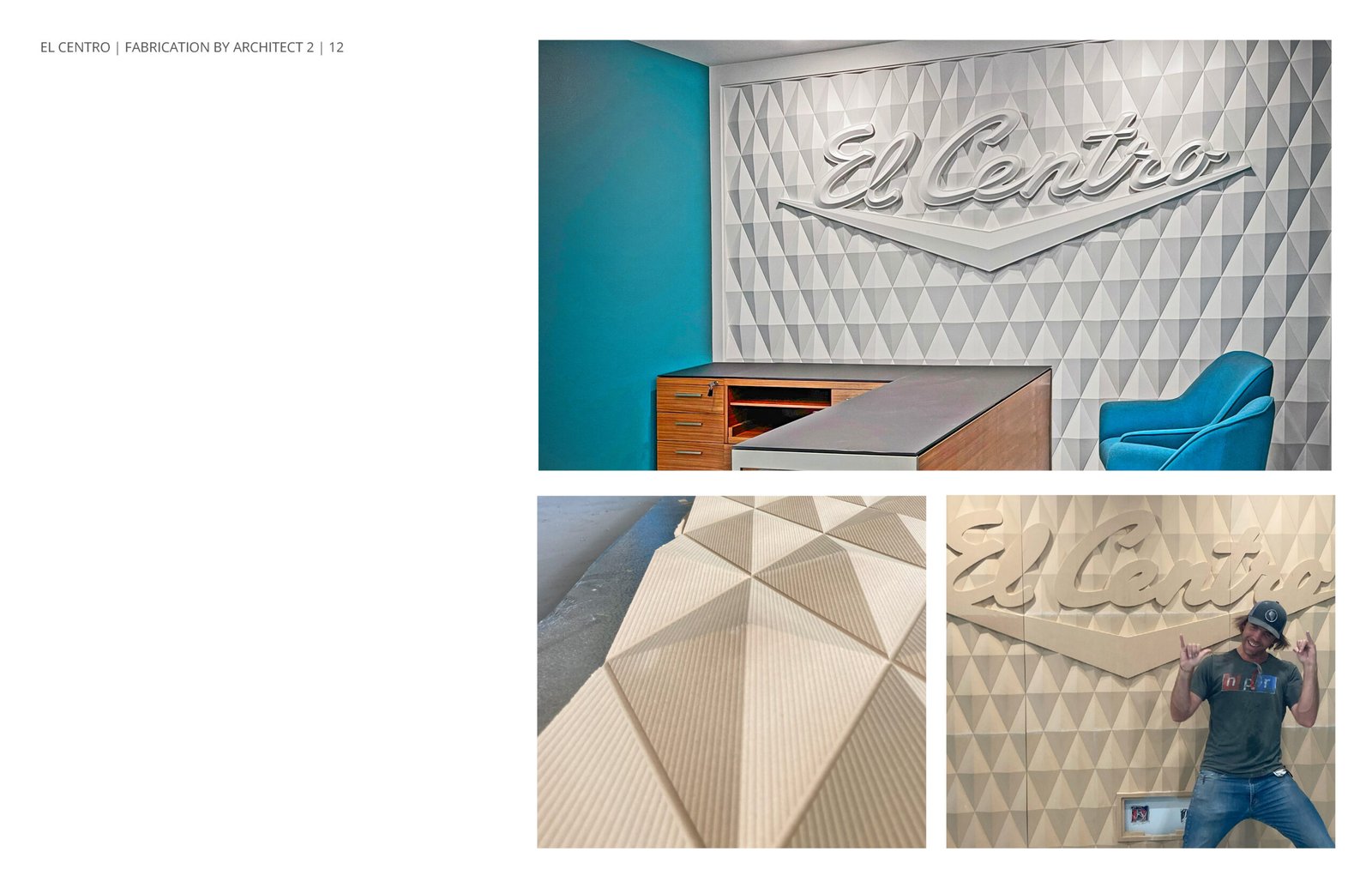
Think + Make Relationship - In an effort to expand the role of the architect while achieving custom design at a manageable cost, signage was fabricated in our own fabrication and prototyping facility. Through historical research, the design team uncovered postcards from the 1950s and 1960s illustrating similar graphics and signage. While original artifacts were lost, the architect was able to recreate elements of what was once there. In-house CNC fabrication technologies helped keep our work efficient and within budget.
Sustainable Economies - Perhaps the most important component of El Centro was the allocation of financial resources. Various factors including federally funded financial regulations, exponential escalation of our region’s construction costs (nearly 30% between design and build), and COVID supply chain complications among others led to critically tight funding for this project. Despite this, the design and construction team was able to deliver this full rehabilitation for under $250 per square foot.
Sustainable Design & Material Choices
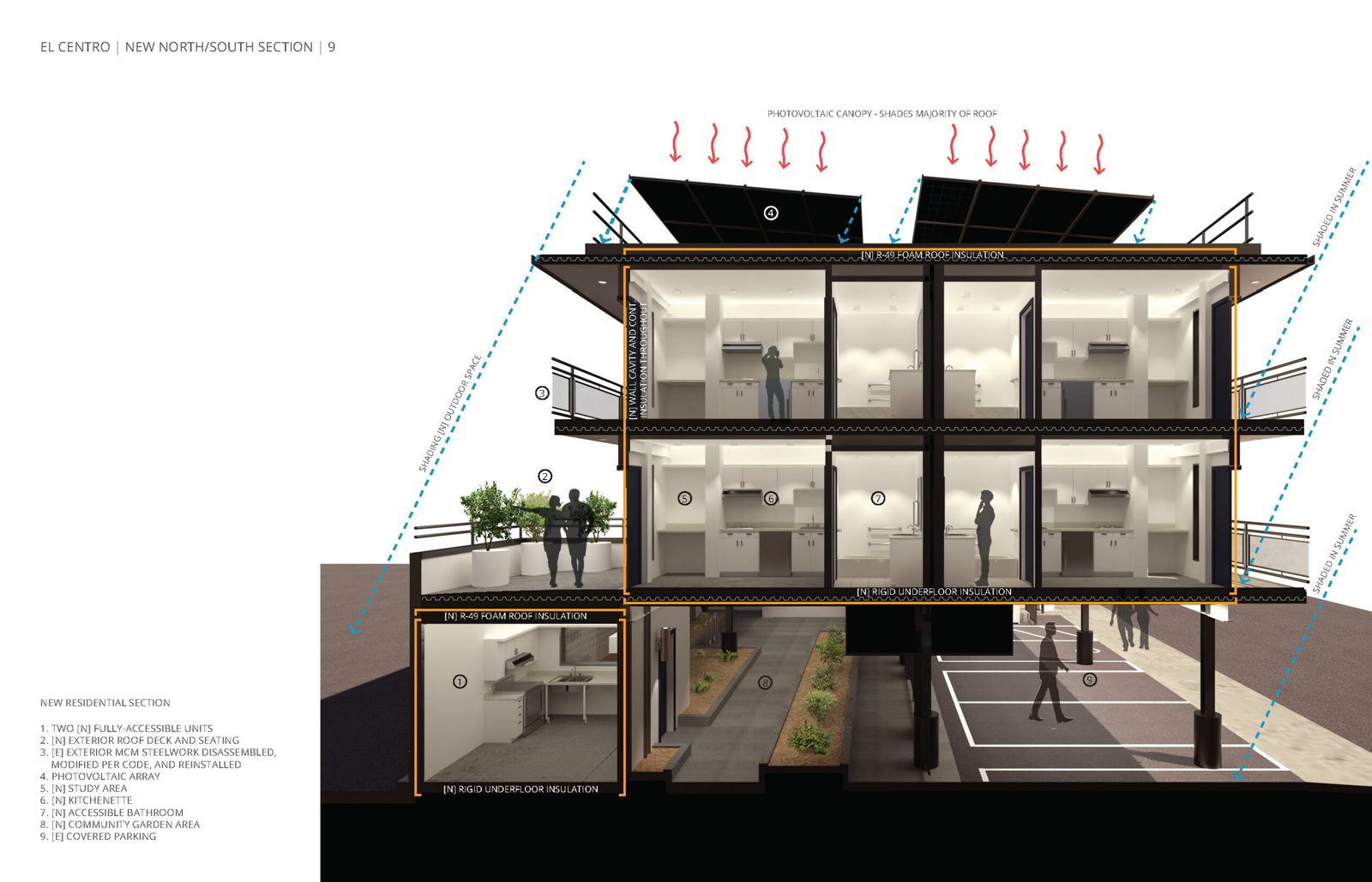
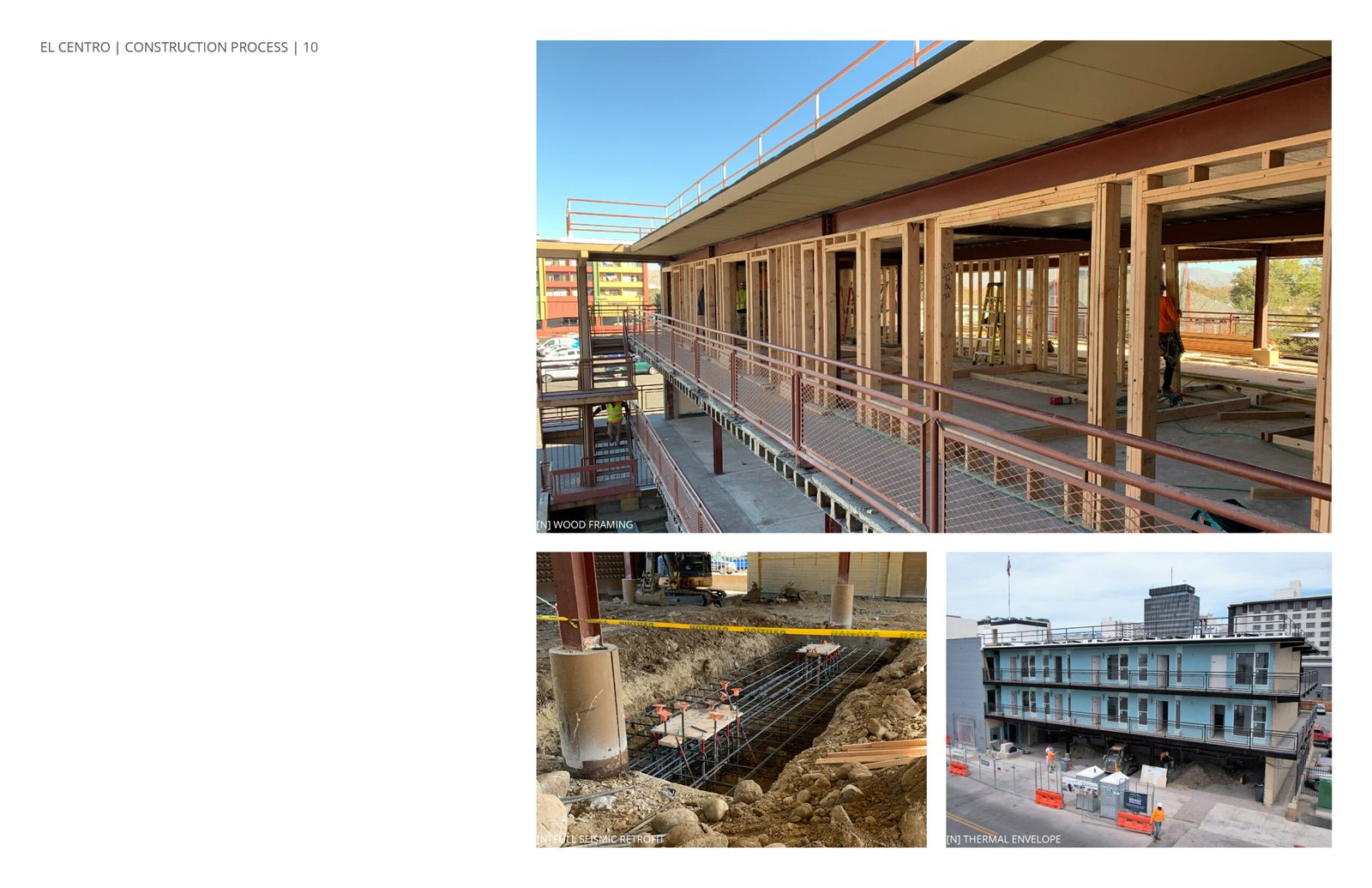
Ecology and Healthy Communities - Comprised of two main structures – a concrete core and steel framed pan deck system – a considerable amount of time went into a structural retrofit to better connect these given our seismic zone. While viable options existed, we chose not to demolish the concrete or the heavy steel skeleton in order to minimize the carbon footprint. We focused instead on renewable materials and, using closed cell insulation, increased the building’s thermal envelope beyond code standards. While the building still uses its original central boiler tanks for domestic hot water, conditioning is now delivered by electric air and water heat pumps, which drastically reduces the energy demands of the building. Through the maximization of rooftop solar, the building also far exceeds the EPA Energy Star EUI target reduction of 20%, bringing its net EUI reduction to the 90% range.